Topic description and stories

The University of Cambridge is a Leader in Openness, recognised for 'the innovation and courage shown by individuals and the organisation in supporting greater openness around the use of animals in research'.

Read about how we approach animal research at Cambridge

Illustration of circadian rhythms

The cellular switch that explains why humans aren’t nocturnal

06 Mar 2026

Differences in cellular pathway activity flip the switch from nocturnality to diurnality and explain a major evolutionary change humans have...

Read more
Black mouse used in drug discovery research

UK organisations release statistics for use of animals in research in 2024

23 Oct 2025

The 10 organisations in Great Britain that carry out the highest number of animal procedures - those used in medical, veterinary and scientific...

Read more
Silhouette photography of man

Depression linked to presence of immune cells in the brain’s protective layer

01 Sep 2025

Immune cells released from bone marrow in the skull in response to chronic stress and adversity could play a key role in symptoms of depression and...

Read more

SEBS polymer artificial heart valve prototype

Artificial heart valve found to be safe following long-term test in animals

20 Aug 2025

An artificial heart valve made from a new type of plastic could be a step closer to use in humans, following a successful long-term safety test in...

Read more
Black mouse

Mice are vital in the search for effective new dementia treatments

30 Jul 2025

Animal research is an essential part of the drug discovery process - allowing scientists to test new treatments that could help change people’s lives.

Read more
Woman clutching her stomach in pain

Discovery of role of gut hormone in chronic diarrhoea could aid development of new tests and treatments

29 Jul 2025

High levels of a hormone found in cells in the gut could underlie many cases of chronic diarrhoea and help explain up to 40% of cases of patients...

Read more

Portrait of a young girl with cancer

Potential new treatment to tackle commonest form of childhood cancer

20 May 2025

A combination of two drugs could improve outcomes and reduce the need for toxic chemotherapy for B-cell acute lymphoblastic leukaemia (B-ALL), the...

Read more
Brown lab mouse on blue gloved hand

Mouse study suggests a common diabetes drug may prevent leukaemia

16 Apr 2025

Metformin, a widely used and affordable diabetes drug, could prevent a form of acute myeloid leukaemia in people at high risk of the disease, a study...

Read more
Substantia nigra in the human brain, illustration

Cambridge researchers developing brain implants for treating Parkinson’s disease

23 Jan 2025

Cambridge researchers are developing implants that could help repair the brain pathways damaged by Parkinson’s disease.

Read more

Zebrafish

Glaucoma drug shows promise against neurodegenerative diseases, animal studies suggest

31 Oct 2024

A drug commonly used to treat glaucoma has been shown in zebrafish and mice to protect against the build-up in the brain of the protein tau, which...

Read more
Huxley, a healthy volunteer Havanese, undergoes a physical examination at the Queen's Veterinary School Hospital, Cambridge.

AI algorithm accurately detects heart disease in dogs

29 Oct 2024

Researchers have developed a machine learning algorithm to accurately detect heart murmurs in dogs, one of the main indicators of cardiac disease...

Read more
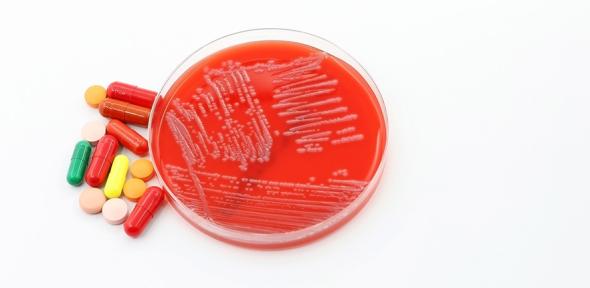
A Petri dish with a culture of the Superbug Acinetobacter baumannii next to antibiotics

Monoclonal antibodies offer hope for tackling antimicrobial resistance

16 Sep 2024

Monoclonal antibodies – treatments developed by cloning a cell that makes an antibody – could help provide an answer to the growing problem of...

Read more

Pages